Dystonia is rare, but you’re not the only one living with it. Support groups offer more than emotional comfort, they’re practical spaces for sharing tips, talking through symptoms, and learning how others are managing care. Some of the benefits include:
Social Support Networks
Connection Is Part of the Treatment Plan
Support doesn’t stop at treatment. These networks help you learn, share, and feel understood beyond the doctor’s office.
Why you should join a dystonia support group
- Shared experience. Hear how others handle the day-to-day realities of dystonia.
- Knowledge exchange . Discover tools, therapists, or treatments that have helped others.
- Emotional validation . Vent without needing to explain what dystonia is first.
- Encouragement. See how people at different stages are coping, adapting, and continuing to live full lives.
You don’t need to be social to benefit. Even just reading others’ posts can help.

National & local peer support groups
Support groups offer a space where you don’t need to explain the basics. People just get it. They’ve also sat in waiting rooms for hours, dealt with medication side effects, and tried to explain their symptoms to someone who didn’t understand.
DMRF support groups
The Dystonia Medical Research Foundation runs both online and in-person support groups across the U.S. Some are general, others focus on specific types like cervical or generalized dystonia. Meetings vary: some invite guest speakers, others are more casual check-ins. Either way, they’re moderated and focused on safety and shared understanding.
Groups worth checking out:
Groups worth checking out:
- Dystonia Support & Awareness (Facebook). Active discussion, day-to-day symptom advice
- Cervical Dystonia Support Forum (Facebook). Focused on neck-related dystonia, with a mix of medical tips and lived experience
Local chapters
Some regions host their own events. The Seattle Dystonia Support Group, run through BeyondRehab Health, is one local example. These groups may offer hybrid meetups, wellness check-ins, and community events tailored to local needs.
Want to do more? Try advocacy
Support can also mean speaking up, for yourself and others. The Dystonia Advocacy Network (DAN) helps patients and families influence research, funding, and rare disease policy in the U.S. It’s not about being a public speaker. Even one email to your representative can help.
You can:
You can:
- Join Virtual Advocacy Day and talk to lawmakers (with guidance)
- Learn how to write or call elected officials about access issues
- Get updates on policies that affect rare disease care and disability rights
There’s no pressure to do it all. Just options, if and when you’re ready.
Reddit: r/dystonia
This subreddit: reddit.com/r/dystonia is active, honest, and refreshingly unfiltered. You’ll find posts about everything from Botox fatigue to dating with a visible tremor. People ask questions, share advice, and speak openly about frustration and progress. No spin. Just real talk from people figuring it out too.
Discord: dystonia support servers
Some members of the dystonia community host private Discord servers: invite-only chatrooms where people offer real-time support. These tend to be smaller and more personal. They’re often mentioned on Reddit, so ask around for a direct link.
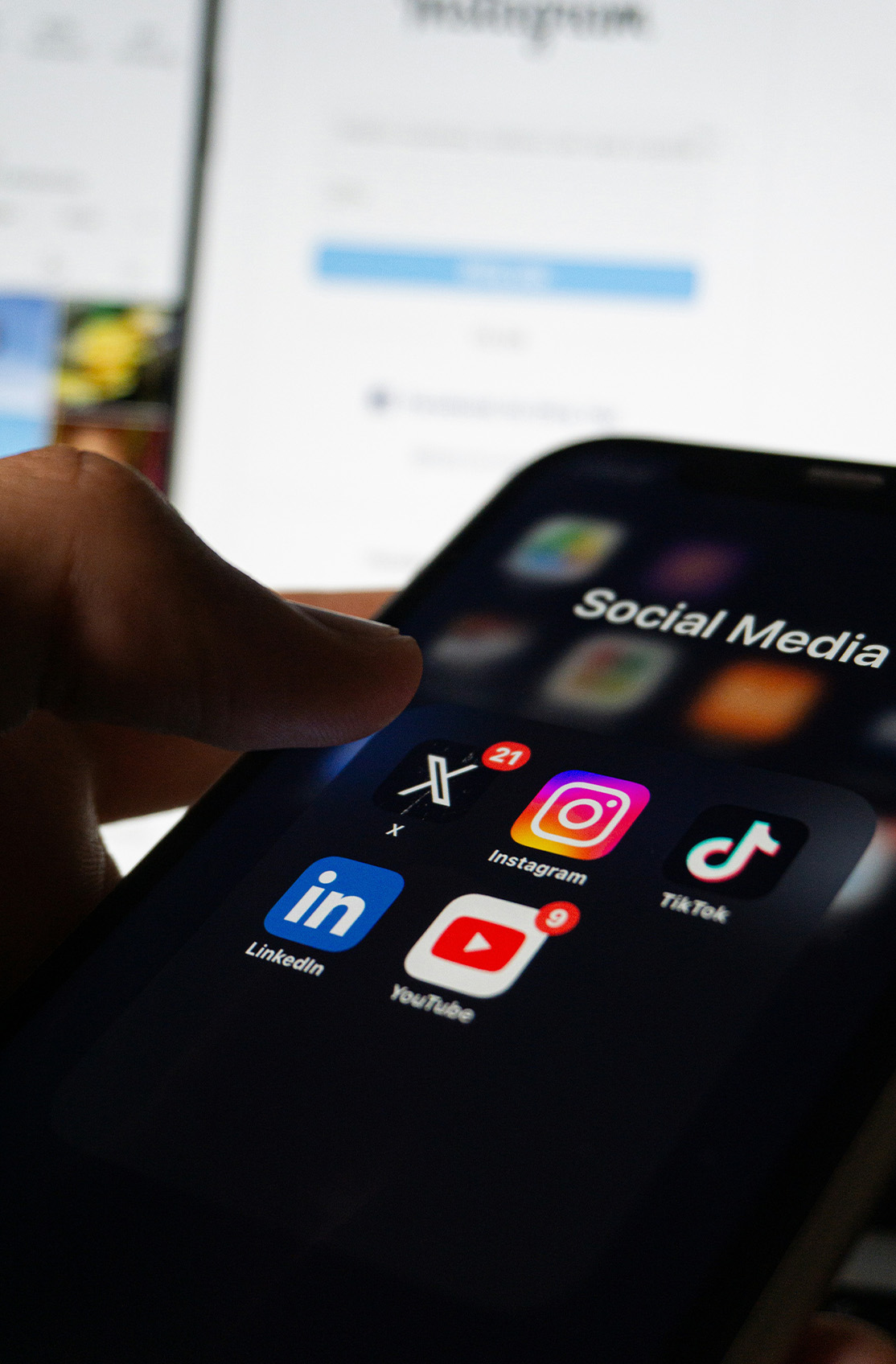
X (formerly Twitter)
Though not dystonia-specific, the hashtag #Dystonia connects you to a broader community of people sharing stories, resources, and awareness efforts. It can be a surprising source of both solidarity and up-to-the-minute developments in research or advocacy. The platform remains a valuable hub for community engagement and raising visibility.
Online peer communities
Formal groups aren’t for everyone. Sometimes you just want to scroll, vent, or ask a weirdly specific question at 2 a.m. That’s where online peer communities come in. Support can also mean speaking up, for yourself and others. The Dystonia Advocacy Network (DAN) helps patients and families influence research, funding, and rare disease policy in the U.S. It’s not about being a public speaker. Even one email to your representative can help.
FAQs
Dystonia is rare, yes, but you’re not alone.
Support groups offer a space where you don’t need to explain the basics. People just get it. They’ve also sat in waiting rooms for hours, dealt with medication side effects, and tried to explain their symptoms to someone who didn’t understand.
Get in Touch