
Alternative & Complementary Therapies
Beyond Meds: Complementary
Approaches to Dystonia
From mindfulness and movement to acupuncture and biofeedback. Explore therapies that support you alongside your medical treatment.

Why people explore alternative therapies

Living with dystonia can mean dealing with pain, stress, and unpredictable symptoms—often on a daily basis. While medical treatments like Botox, medication, and physical therapy are the gold standard, many people look beyond them for added support. Living with dystonia often means navigating everyday activities in ways most people never have to think about. Tasks like getting dressed, cooking, working, or even resting can require extra effort, planning, or support. Over time, that can be exhausting—physically and mentally.

In fact, surveys suggest that more than half of dystonia patients try some form of complementary or alternative therapy. The reasons vary—from managing pain or anxiety, to improving mobility, to feeling a greater sense of control. That said, effectiveness can be hit or miss, and scientific evidence is often limited.

The key takeaway? These therapies are best used alongside your medical treatment, not in place of it.

Evidence-based complementary options

Complementary therapies won’t “cure” dystonia, but some can support symptom relief, body awareness, or mental well-being when used alongside clinical care. Here are some of the more researched approaches:
Physical therapy and movement retraining Get medical clearance + scripts
Tailored physiotherapy can improve posture, reduce compensatory movements, and support better motor control—especially in cervical and focal dystonia. Sensorimotor retraining, which helps the brain re-map movement patterns, encourages neuroplasticity. Regular stretching and gentle strengthening may also ease stiffness and support joint stability.
Massage and relaxation techniques Prep your meds & paperwork
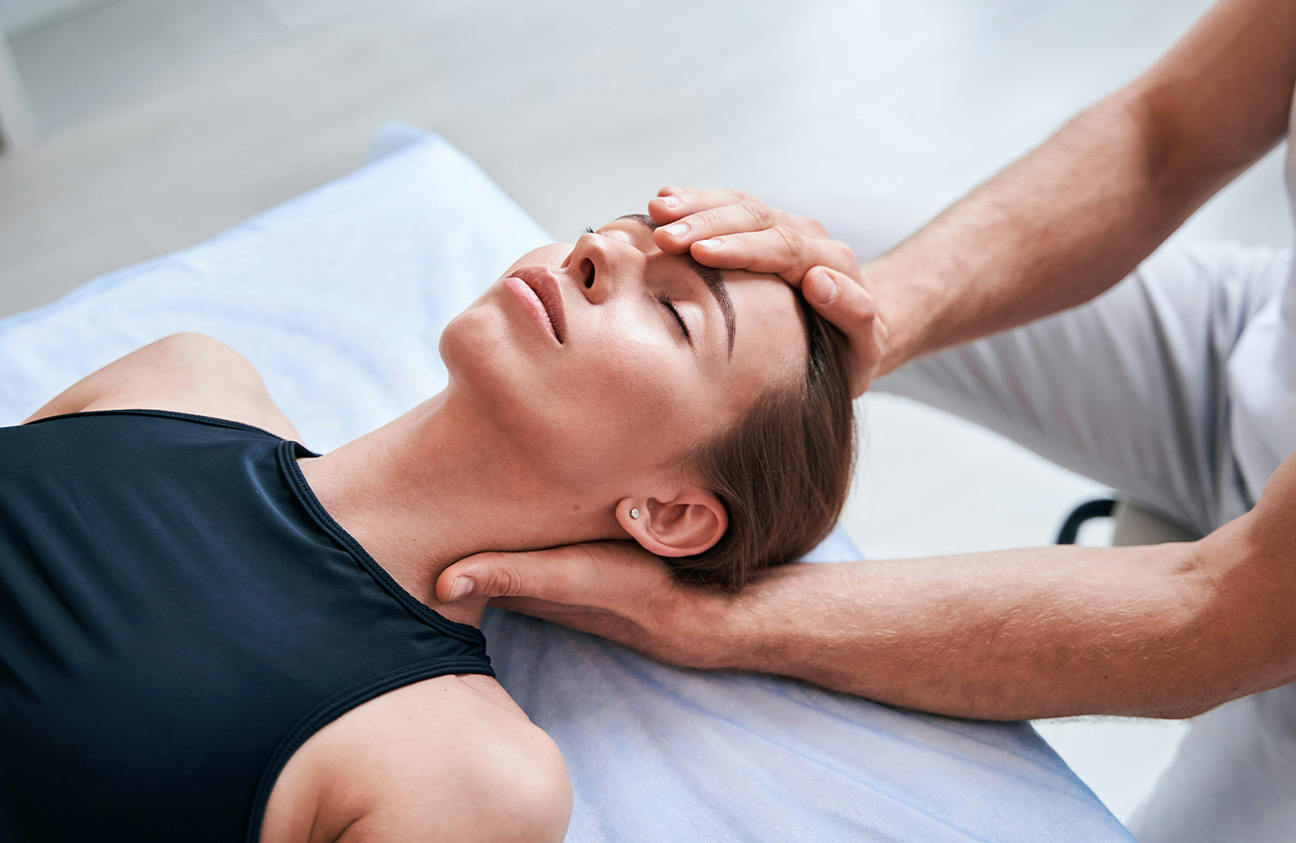
Massage therapy, progressive muscle relaxation, deep breathing, and guided imagery are often used to release tension and reduce pain. Around 44% of dystonia patients report symptom relief from these methods, although hard data is limited. Still, they may offer valuable short-term relief and emotional grounding—especially during flare-ups.
Mind-body practices
Yoga, tai chi, Feldenkrais Method, and biofeedback all focus on the brain–body connection. Though formal dystonia-specific trials are sparse, some patients report improved balance, less stress, and increased body awareness. These low-risk practices may be worth exploring with modifications.
Acupuncture and chiropractic care
Up to 56% of patients with dystonia report trying acupuncture, and it’s one of the most commonly used alternative therapies. That said, scientific reviews show minimal evidence for consistent, measurable improvement. Chiropractic manipulation is more controversial—particularly for cervical dystonia—and should be approached cautiously, if at all.Each option carries its own risks and potential. Always check with your neurologist before adding anything new to your routine.

Deep Brain Stimulation (DBS)

For some people with dystonia, DBS is more than a treatment; it’s a turning point.

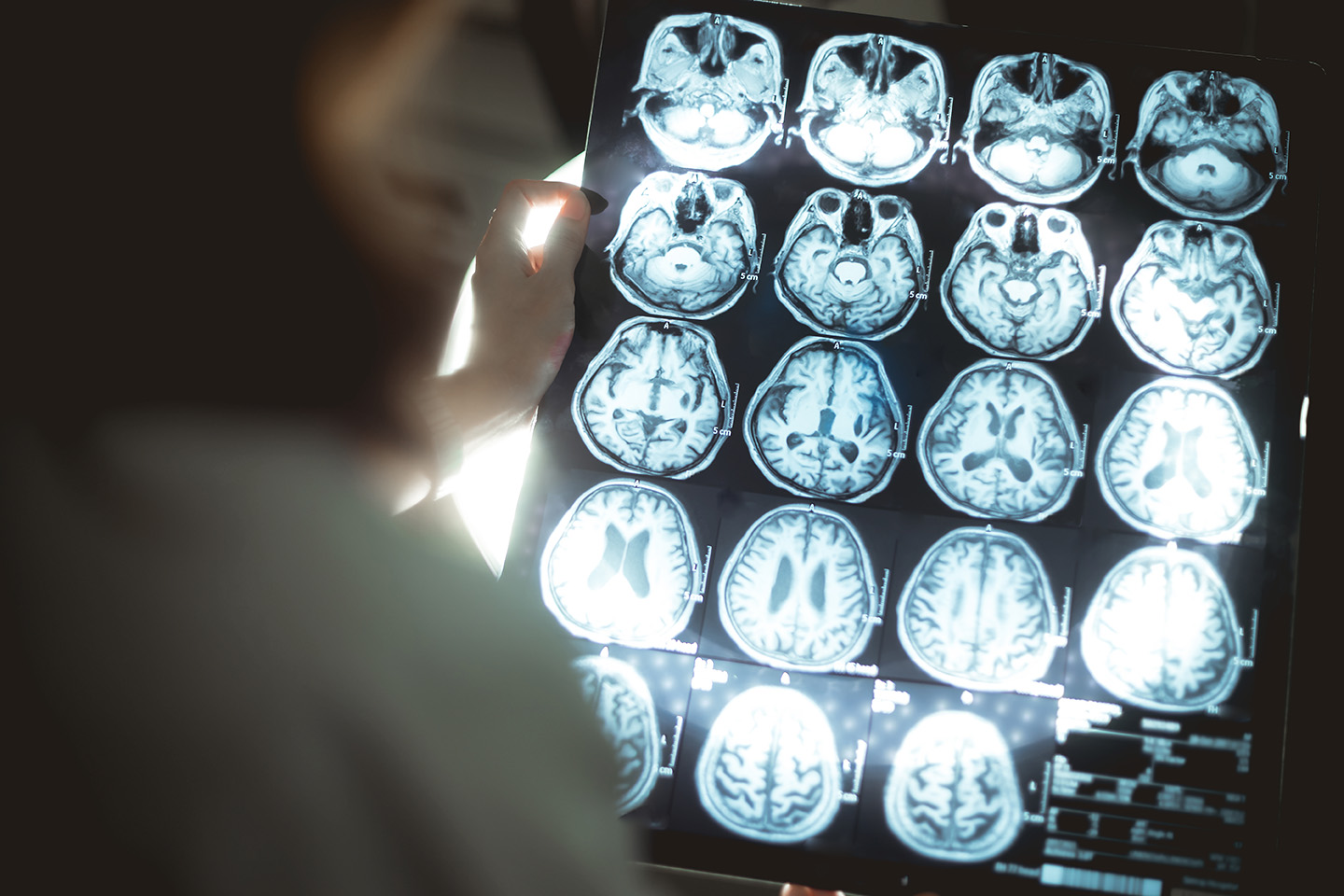
Deep Brain Stimulation is a surgical therapy that helps interrupt the faulty signals causing dystonic movements. It involves placing electrodes in targeted parts of the brain, connected to a small device (like a pacemaker) under the skin. When it works, it can mean fewer spasms, better control, and a renewed sense of possibility.

DBS is a powerful option that’s sometimes introduced too late. If medications and injections aren’t enough, it might be time to ask: what if this could work for me?

Not everyone is a candidate, and it’s a big decision. But if your symptoms are affecting your daily life, it’s worth starting the conversation early—with a specialist who knows the difference it can make.

Therapies lacking scientific support

Some alternative therapies are widely marketed—but lack credible evidence or carry unnecessary risks.
Craniosacral therapy
Promoted as a gentle, hands-on technique to “balance” the central nervous system, craniosacral therapy has no scientific basis. It’s considered pseudoscience by many medical bodies, with no proven benefit in dystonia. It may even be risky in children or those with structural neurological concerns.
Energy healing modalities
Approaches like Reiki, healing touch, or “energy medicine” are sometimes explored for relaxation or pain relief. However, these methods are not backed by clinical research and have not been meaningfully studied in dystonia. While often low risk, they should not replace evidence-based care or delay treatment decisions.

How to evaluate complementary therapies

Complementary approaches work best when chosen thoughtfully and integrated into your broader care plan.

Start with low-risk, low-cost options—like stretching, movement retraining, or breathing exercises—before investing in expensive treatments with unclear benefits.

If you're considering a new therapy, ask the provider:
What evidence supports this for dystonia?
Are there known risks or side effects?
Could it interfere with my current treatments or medications?
Ideally, choose practitioners with experience treating neurological conditions. Always let your neurologist or physical therapist know what you're exploring so they can help monitor your safety and track outcomes over time.

Think of alternative therapies as extra support, not a shortcut

Complementary therapies can be a helpful addition to conventional dystonia treatments like Botox, medication, and physical therapy—not a replacement. The best results come from combining approaches thoughtfully, based on your individual needs and medical advice.

Track your progress objectively: changes in pain levels, mobility, sleep, or fatigue are more reliable than vague impressions. And be cautious of any therapy that promises a “cure” or dramatic results, especially without scientific backing. Sustainable progress usually looks slow and steady.

FAQs

Can massage or physical therapy help with dystonia?

Yes, many people try massage or PT for pain and mobility. While formal evidence is limited, individual reports often note modest relief. Any gains tend to come when these treatments support conventional care like meds or Botox.

What about acupuncture or chiropractic care?

These are commonly used but lack strong scientific support in dystonia. Some people report subjective benefit, particularly for associated pain, but studies haven't shown consistent effects. Use caution and keep it supplemental.

Is CBD or herbal therapy effective?

No reliable evidence supports supplements or CBD for dystonia. Treat these as experimental, and always check with your doctor before starting anything new.

Could mind‑body approaches like yoga, Tai Chi, or Feldenkrais help?

Potentially. These methods may reduce pain or stress and improve posture—but clinical studies in dystonia remain small. If it feels safe and you have support, it’s worth trying alongside regular care.

What therapies should I avoid?

Avoid anything with grand claims (“totally reverses dystonia”). Therapies like craniosacral manipulation or unregulated energy healing have no proven benefit and may even cause harm.

Still not sure which alternative therapy to explore?

If you’re considering something new, we’re here to help you weigh the options. We can’t tell you what will work, but we help you ask the right questions.

Get In Touch